
OcuRegen™
Galvanis- Modality
- Topical small-molecule program
- Mechanistic focus
- Corneal wound current
- PCED status
- Preclinical

GΛLVΛNIS
OcuRegen™ Preclinical ophthalmic program
Corneal wounds generate measurable current. OcuRegen™ is a preclinical topical small-molecule program designed to amplify that current and improve epithelial closure.1
Persistent corneal epithelial defects
A persistent corneal epithelial defect remains open beyond the expected healing interval. Care can escalate from lubrication and bandage contact lenses to serum tears, amniotic membrane, tarsorrhaphy, grafting, or transplantation.
Published corneal wound-current research
In postmortem human donor corneas, epithelial injury increased wound-edge current from 0.07 to 0.41 µA/cm². Published pharmacologic and ionic interventions increased the current more than twofold.R1 In rat cornea, interventions that raised or lowered wound current changed healing rate in the same direction in vivo.R2
Therapeutic approach
Published work established that corneal wound current can be measured and pharmacologically increased.R1 OcuRegen translates that biology into a topical small-molecule program for persistent epithelial defects.
Why cornea
Viable ex vivo human donor corneas allow electrical measurement at the wound margin alongside serial observation of epithelial closure.
Selected public PCED programs
Selected PCED programs target neurotrophic signaling, connexin43, or secretome biology. OcuRegen is designed around corneal wound current.
| Program | Modality | Mechanistic focus | PCED status |
|---|---|---|---|
| OcuRegen™Galvanis | Topical small-molecule program | Corneal wound current | Preclinical |
| CenegerminOxervate® in neurotrophic keratitis | Recombinant human NGF | Neurotrophic signaling | FDA-approved for neurotrophic keratitis; Phase 3 PCED trial recruiting |
| NEXAGON®lufepirsen ophthalmic gel | Antisense oligonucleotide | Connexin43 | Phase 2 PCED trial listed as recruiting; record last updated July 2025 |
| KPI-012active development suspended | Human MSC secretome | Multifactor secretome biology | Phase 2b missed its primary and key secondary endpoints; KALA reports active development is suspended while it evaluates strategic options |
Selected public programs reviewed July 29, 2026.4
Team
Founder and CEO Cody Rasmussen-Ivey leads OcuRegen. Scientific advisor Min Zhao and clinical advisor Mark Mannis co-authored the human donor cornea study cited here.R1 5
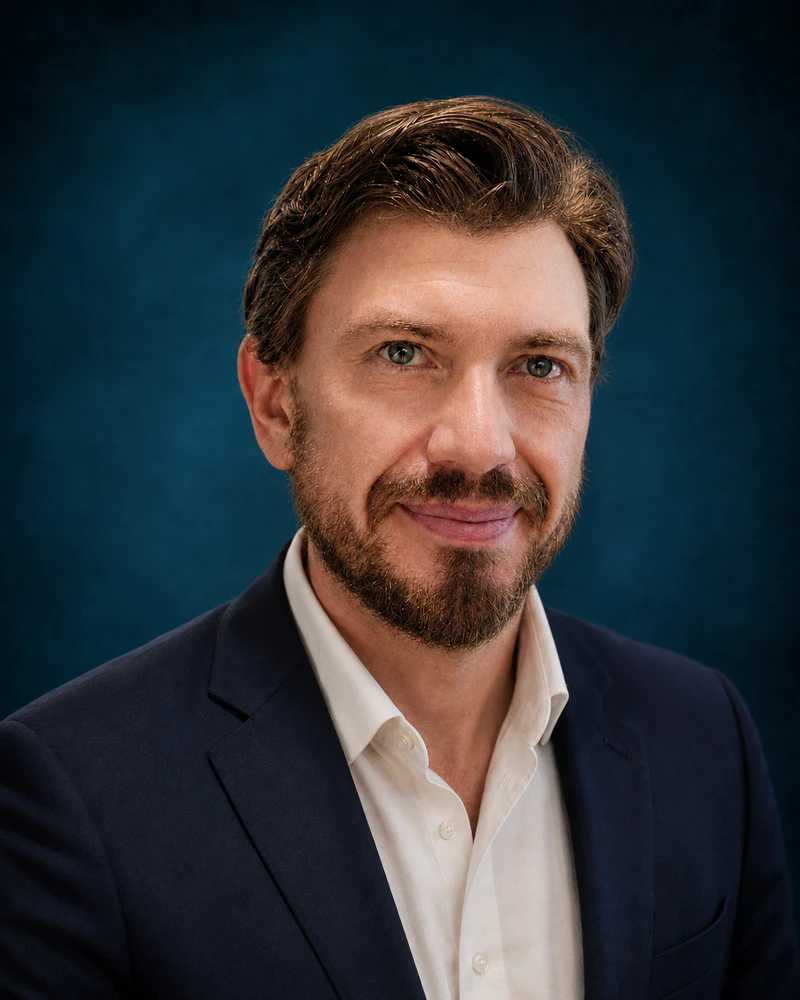
Founder and CEO
Before founding Galvanis, Cody developed technology for a DARPA-funded bioelectric wound program and worked at Colossal Biosciences. His training is in molecular biology and bioinformatics.

Scientific Advisor, Bioelectric Wound Repair
Min Zhao is a professor of ophthalmology at UC Davis. His laboratory established methods to measure corneal wound current and showed that it can be pharmacologically increased. He advises Galvanis on electrophysiology and study design.
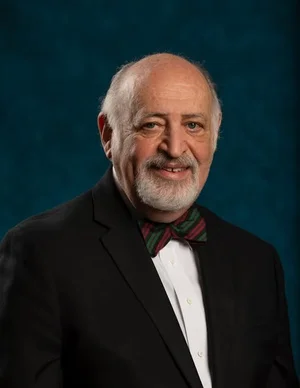
Clinical Advisor
Mark Mannis is a cornea and ocular surface specialist and former chair of ophthalmology at UC Davis. His career spans corneal surgery, ocular surface disease, and clinical research.
Partnering
Non-confidential materials are available for scientific, development, partnering, and investment discussions.
Contact GalvanisReferences